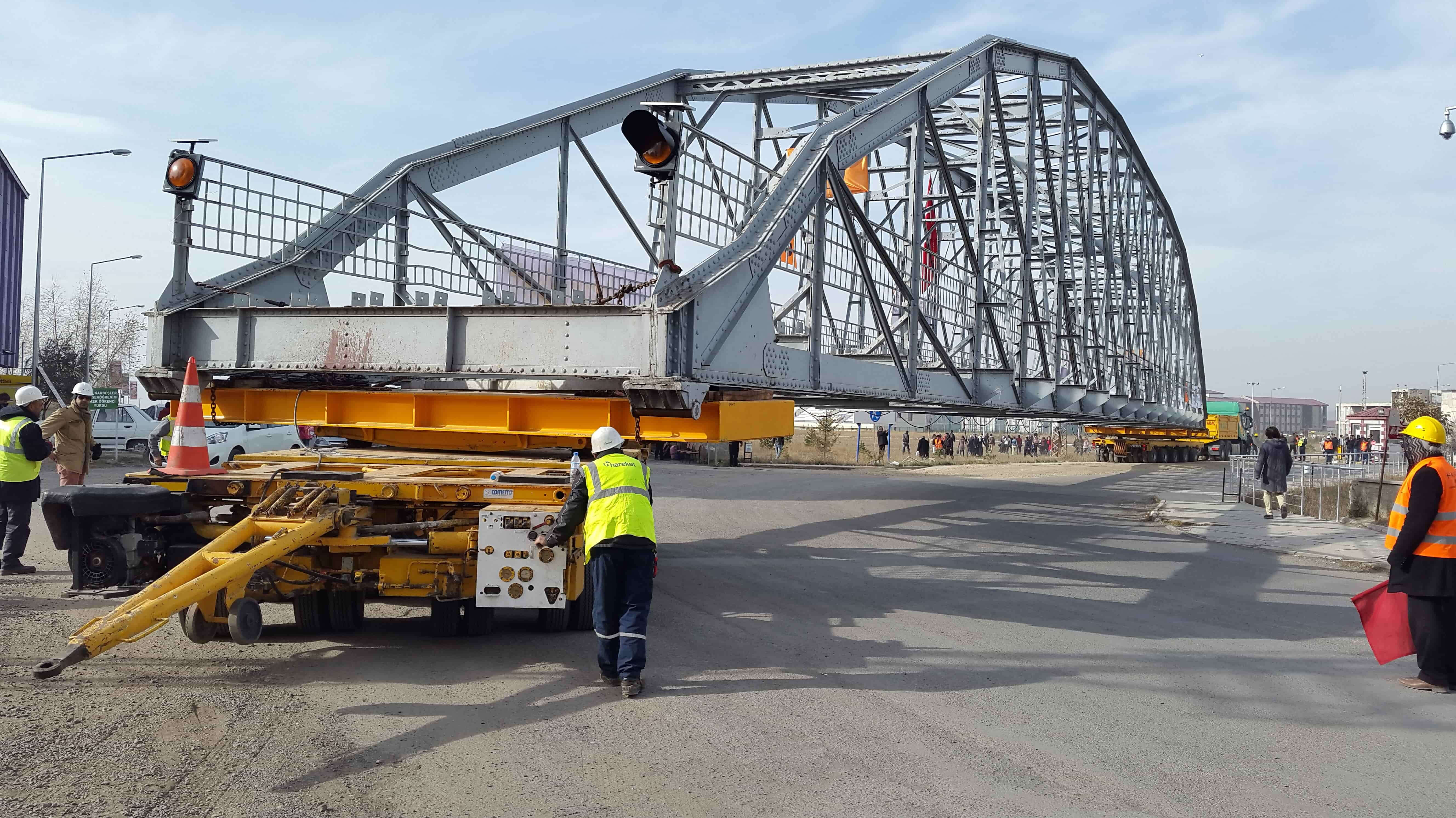
Civil & Infrastructure
Civil and infrastructure engineering focuses on the planning, design, construction, and maintenance of essential public and private systems that support everyday life. This includes roads, bridges, buildings, water supply networks, drainage systems, railways, airports, and energy infrastructure. The field combines technical expertise with sustainable practices to create safe, durable, and efficient structures that meet growing population and urban development demands. By integrating modern technology, environmental considerations, and innovative materials, civil and infrastructure projects play a critical role in economic growth, community development, and long-term resilience.
Benefits of service
- 1 Improved Connectivity
- 2 Economic Growth
- 3 Enhanced Quality of Life
- 4 Long-Term Sustainability
Investing in civil and infrastructure development brings multiple benefits, including better connectivity through roads and bridges, stronger economic growth via job creation and investment, improved quality of life with reliable public utilities, and long-term sustainability by incorporating eco-friendly and resilient designs.
Why Choose This Service
Choosing our civil and infrastructure services ensures expert planning, design, and execution of projects that are safe, efficient, and sustainable. We combine advanced technology, skilled professionals, and innovative solutions to deliver high-quality results on time and within budget, while prioritizing durability, environmental responsibility, and the long-term needs of communities.
Professional Team
Fitted out with a fur hat and fur boa who sat upright, raising a heavy fur
Certified engineers
Fitted out with a fur hat and fur boa who sat upright, raising a heavy fur
Latest Technology
Fitted out with a fur hat and fur boa who sat upright, raising a heavy fur
24/7 Support
Fitted out with a fur hat and fur boa who sat upright, raising a heavy fur
When undertaking civil and infrastructure projects, it is essential to follow strict precautions to ensure safety and quality. This includes conducting thorough site assessments, adhering to engineering standards, using high-quality materials, and implementing proper safety measures for workers. Regular monitoring, risk management, and compliance with environmental regulations help prevent accidents, structural failures, and long-term issues, ensuring that projects are both reliable and sustainable.
Intelligence in civil and infrastructure refers to the integration of smart technologies, data analytics, and automated systems to optimize the planning, construction, and management of projects. By leveraging tools like IoT sensors, AI-driven monitoring, and predictive maintenance, infrastructure becomes more efficient, resilient, and cost-effective. Intelligent systems enable real-time decision-making, early detection of structural issues, energy optimization, and improved safety, transforming traditional civil engineering into a more sustainable and future-ready field.
Civil and infrastructure engineering includes specializations like structural, transportation, geotechnical, water resources, environmental engineering, and construction management. Each focuses on designing, building, and maintaining safe, efficient, and sustainable infrastructure for modern communities.