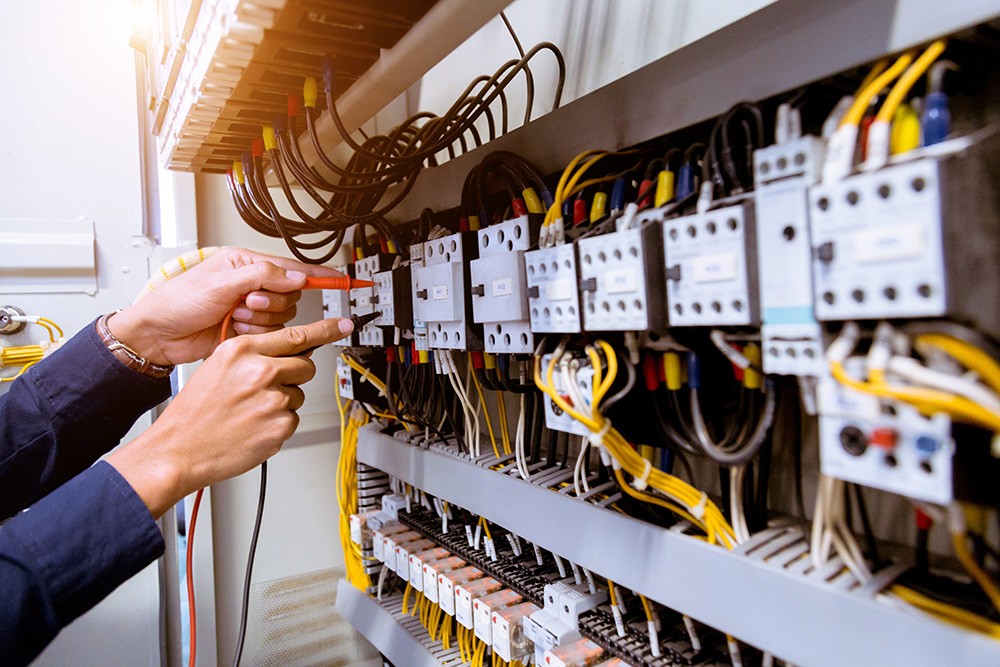
Introduction to Electrical Engineering
Electrical Engineering is the branch of engineering that focuses on the study and application of electricity, electronics, and electromagnetism. It involves designing and maintaining electrical systems, circuits, and devices that power homes, industries, and communication networks. Electrical engineers work on a wide range of technologies, from power generation and renewable energy to electronic gadgets, telecommunications, and control systems, playing a crucial role in modern life and technological advancement.
Benefits of service
- 1 Innovation in Technology
- 2 Career Opportunities
- 3 Problem-Solving Skills
- 4 Contribution to Society
Electrical Engineering drives technological innovation, creates diverse career opportunities, enhances problem-solving skills, and contributes to society by developing efficient energy systems, communication networks, and useful devices.
Why Choose This Service
Choosing Electrical Engineering opens the door to a dynamic and innovative career. It offers opportunities to work on cutting-edge technologies like renewable energy, electronics, and smart systems, while developing strong problem-solving and analytical skills. This field also provides diverse career paths, job stability, and the chance to make a meaningful impact on society through technology.
Professional Team
Fitted out with a fur hat and fur boa who sat upright, raising a heavy fur
Certified engineers
Fitted out with a fur hat and fur boa who sat upright, raising a heavy fur
Latest Technology
Fitted out with a fur hat and fur boa who sat upright, raising a heavy fur
24/7 Support
Fitted out with a fur hat and fur boa who sat upright, raising a heavy fur
Working with electricity and electronic systems can be dangerous, so safety is crucial. Always follow proper safety protocols, use insulated tools, wear protective gear, avoid contact with live wires, and ensure equipment is properly grounded. Understanding circuit diagrams and adhering to standards helps prevent accidents, electrical shocks, and equipment damage.
Intelligence in Electrical Engineering refers to the ability to analyze complex systems, solve problems efficiently, and innovate new technologies. It involves applying logical thinking, creativity, and technical knowledge to design circuits, optimize power systems, develop smart devices, and improve communication networks. Strong intelligence helps engineers make precise decisions and adapt to rapidly evolving technologies.
Electrical Engineering has key specializations like Power Systems, Electronics, Telecommunications, Control Systems, and Instrumentation, allowing engineers to focus on specific technologies and develop expertise in their field.